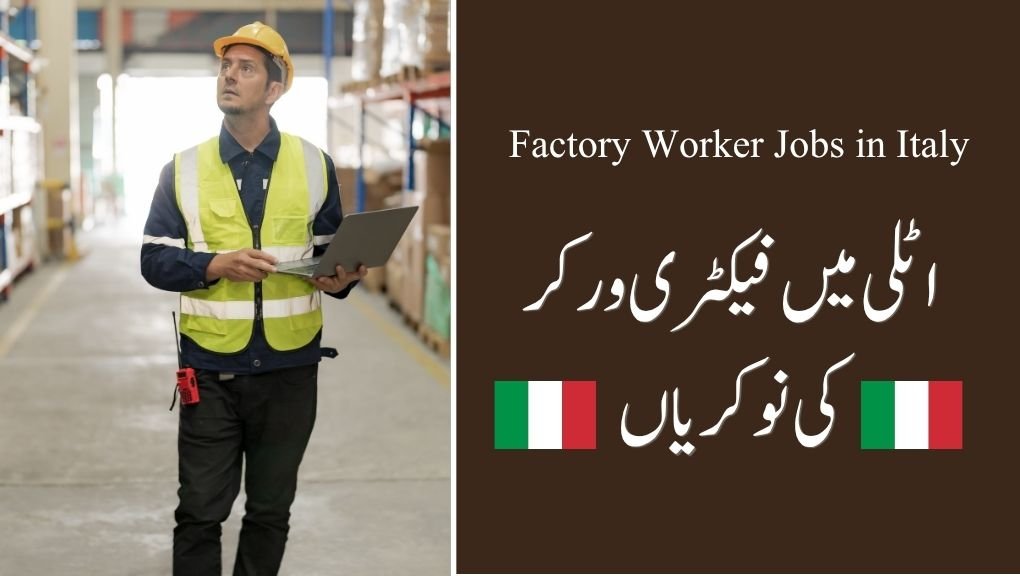
Italy is one of Europe’s largest manufacturing economies. Beyond the tourism and fashion image, thousands of factories produce machinery, food, cars, furniture, ceramics, and medical equipment, and they regularly need production staff. This guide explains where the work is, what employers expect, how contracts work, and how to avoid scams.
Where Factory Work Is Concentrated
Industrial activity is heavily clustered in the north and center of the country:
- Lombardy: metalworking, chemicals, machinery, and plastics around Milan, Brescia, and Bergamo.
- Veneto: eyewear, furniture, footwear, and small family-run manufacturers.
- Emilia-Romagna: packaging machinery, ceramics, automotive, and food processing, including well-known cured meats and cheeses.
- Piedmont: automotive suppliers, appliances, and food and beverage production.
- Tuscany and Marche: leather goods, textiles, and footwear.
- Southern regions: food processing, agriculture-related plants, and some automotive and aerospace sites.
Many production companies are small and mid-sized businesses rather than huge corporations, so job openings are spread across many towns instead of a few big cities.
Common Factory Roles
- Production line operator (operaio di produzione): assembles, inspects, or packs products.
- Machine operator (operatore macchine): runs equipment such as presses, lathes, or packaging lines.
- CNC operator: works with computer-controlled machines. This usually needs technical training.
- Warehouse and logistics worker (magazziniere): handles stock, forklifts, and shipping.
- Quality control inspector: checks products against standards.
- Maintenance technician: repairs and services machinery, often requiring a technical diploma.
- Food production worker: processes, cuts, or packs food under strict hygiene rules.
- Cleaning and sanitation staff: maintain hygiene in production areas.
Typical Requirements
Employers differ, but these points come up often:
- Physical fitness: Many roles involve standing for long periods, repetitive tasks, or lifting.
- Reliability and shift flexibility: Factories often run morning, afternoon, and night shifts.
- Basic Italian: Safety instructions and team communication are usually in Italian, so even basic ability improves your chances.
- Technical skills: Machine operation, welding, or electrical knowledge can lead to better-paid positions.
- Safety training: Italian workplace safety law requires employers to train workers, and many provide it after hiring. A forklift license or an earlier safety course can make you a stronger candidate.
- Food hygiene knowledge: Useful or required for food-industry jobs.
Contracts, Pay, and Conditions
Most factory workers are covered by national collective labor agreements (CCNL) negotiated between unions and employer associations. Each sector, such as metalworking, food, chemicals, or textiles, has its own agreement setting pay levels, working hours, overtime rules, holidays, and notice periods.
Common contract types include fixed-term, permanent, and agency (temporary) contracts. Agency work is a frequent entry route, and some agency workers are later hired directly by the company. Before signing, ask for a written contract stating:
- The applicable collective agreement and job level
- Gross monthly pay and any allowances
- Weekly hours and shift pattern
- Contract length and start date
Pay varies by sector, region, experience, and job level, so consult the relevant collective agreement rather than relying on averages quoted online.
How to Find Real Job Openings
- Company career pages: Manufacturers often post openings under “Lavora con noi” or “Careers.”
- Employment agencies (agenzie per il lavoro): Licensed agencies place many factory workers. Check that an agency is authorized by the Italian labor authorities.
- Public employment centers (Centri per l’impiego): These offer free services and local listings.
- EURES: The EU job mobility portal lists vacancies and provides advice for EU citizens.
- Recognized job boards: Filter by “operaio,” “produzione,” or “magazzino” and by region.
- Local networks and industrial districts: In manufacturing areas, many small firms hire through word of mouth and direct applications.
Working in Italy as a Non-EU Citizen
EU and EEA citizens can generally work in Italy without a permit. Non-EU nationals normally need to secure authorization linked to a specific employer, and Italy controls this through annual quota decrees (known as decreto flussi), which set the number of entries for different worker categories. Dates, quotas, and procedures change each year.
Before making any plans:
- Read the latest information on official Italian government and Ministry of Interior websites.
- Contact the nearest Italian embassy or consulate.
- Verify that the employer is registered and legally able to hire you.
- Treat any promise of a guaranteed visa as a red flag.
Recognizing Job Scams
Fraudulent offers targeting overseas applicants are widespread. Be cautious if you see:
- Payment requests for “processing,” “visa guarantees,” or “priority placement”
- Job offers without an interview or a verifiable company
- Contact only through personal messaging accounts or free email addresses
- Very high salaries for unskilled work
- Contracts that arrive only after you pay
A legitimate employer should be verifiable through its official website, business registry, and phone number. Never pay for a job offer before confirming all of this independently.
Preparing a Strong Application
- Keep your CV short and factual: List previous production, warehouse, or technical experience, plus machine skills and licenses.
- Add languages: Note your Italian level, even if basic.
- Attach certificates: Include forklift, welding, safety, or hygiene training.
- Write a brief message: Name the position and say when you can start.
- Be ready for practical questions: Interviews may cover shift availability, physical work, and safety awareness.
Safety and Worker Rights
Italian law requires employers to assess workplace risks, provide protective equipment, and train employees. You are entitled to a written contract, payslips, rest periods, and paid leave under the applicable agreement. If problems arise, trade unions and labor inspectorates offer information and support, often in several languages.
Long-Term Career Prospects
Many workers begin in general production or warehouse roles and progress to machine operator, team leader, or technician after gaining skills. Certified technical training in areas such as CNC operation, electrical work, or quality control can improve pay and job security. Manufacturing regions also offer vocational courses, sometimes co-funded by regional programs.
Frequently Asked Questions
Do I need Italian for factory work? Basic Italian is strongly recommended for safety and teamwork, and some employers require it.
Can beginners find factory jobs? Yes. Packing, general production, and warehouse roles are often open to people without experience.
Are night shifts common? In many plants, yes. Contracts should state shift patterns and any extra pay.
Are agency jobs legitimate? Yes, if the agency is officially authorized. Legitimate agencies never charge job seekers a fee.
Where are the most factory jobs? Northern industrial districts, particularly Lombardy, Veneto, Emilia-Romagna, and Piedmont.
Conclusion
Factory work in Italy offers steady employment for people willing to learn, follow safety rules, and adapt to shift schedules. Success comes from targeting the right regions and sectors, applying through verified channels, understanding your contract, and avoiding anyone who asks for money in exchange for a job.
Disclaimer: This article is for general information only. Labor, wage, and immigration rules change frequently. Confirm current details with official Italian authorities and your employer.